Where Lisbon met the ocean world
At Torre de Belem, military architecture, royal symbolism, and oceanic ambition come together in stone.
Table of Contents
Before the tower: Lisbon and the Tagus frontier
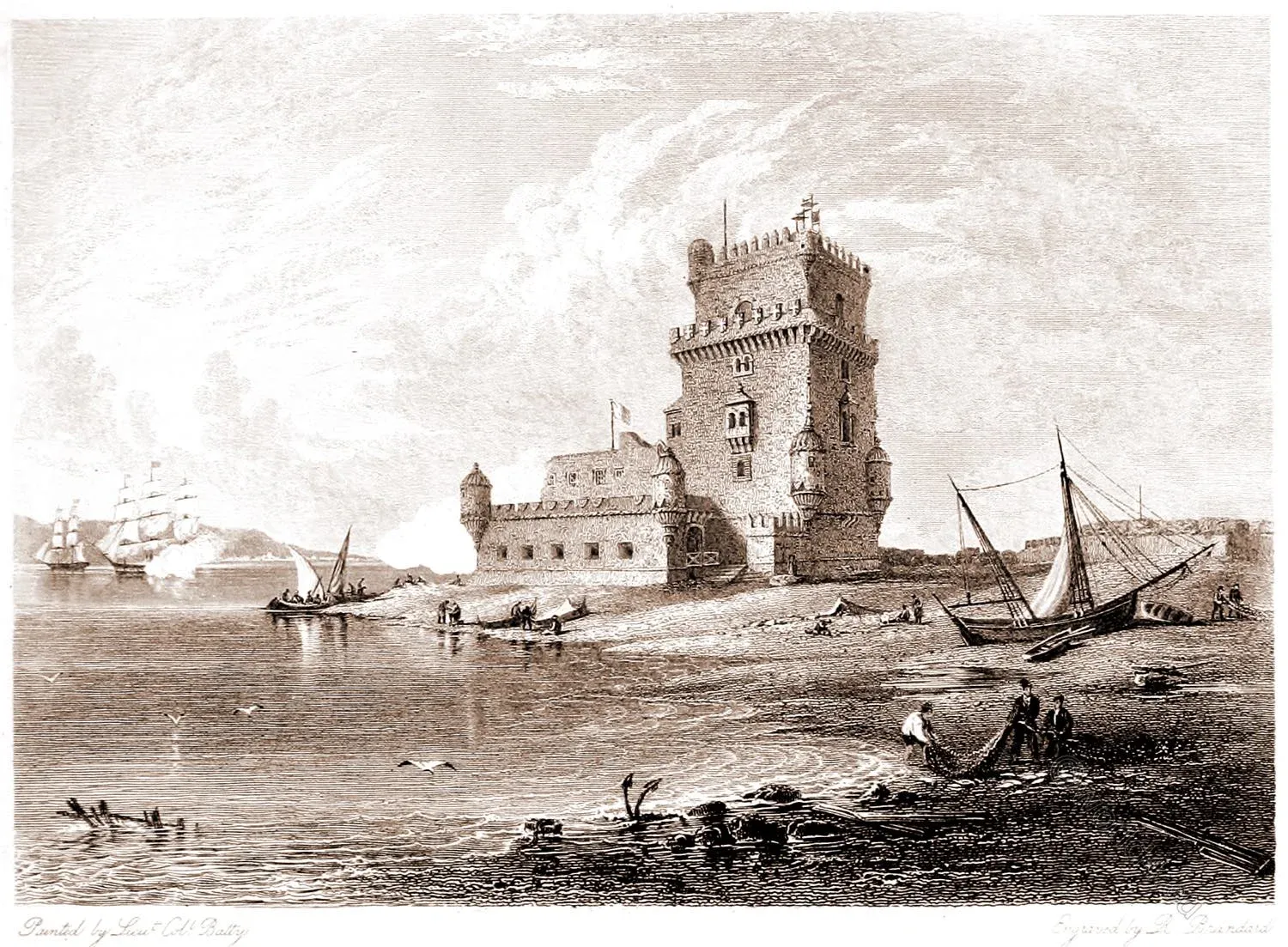
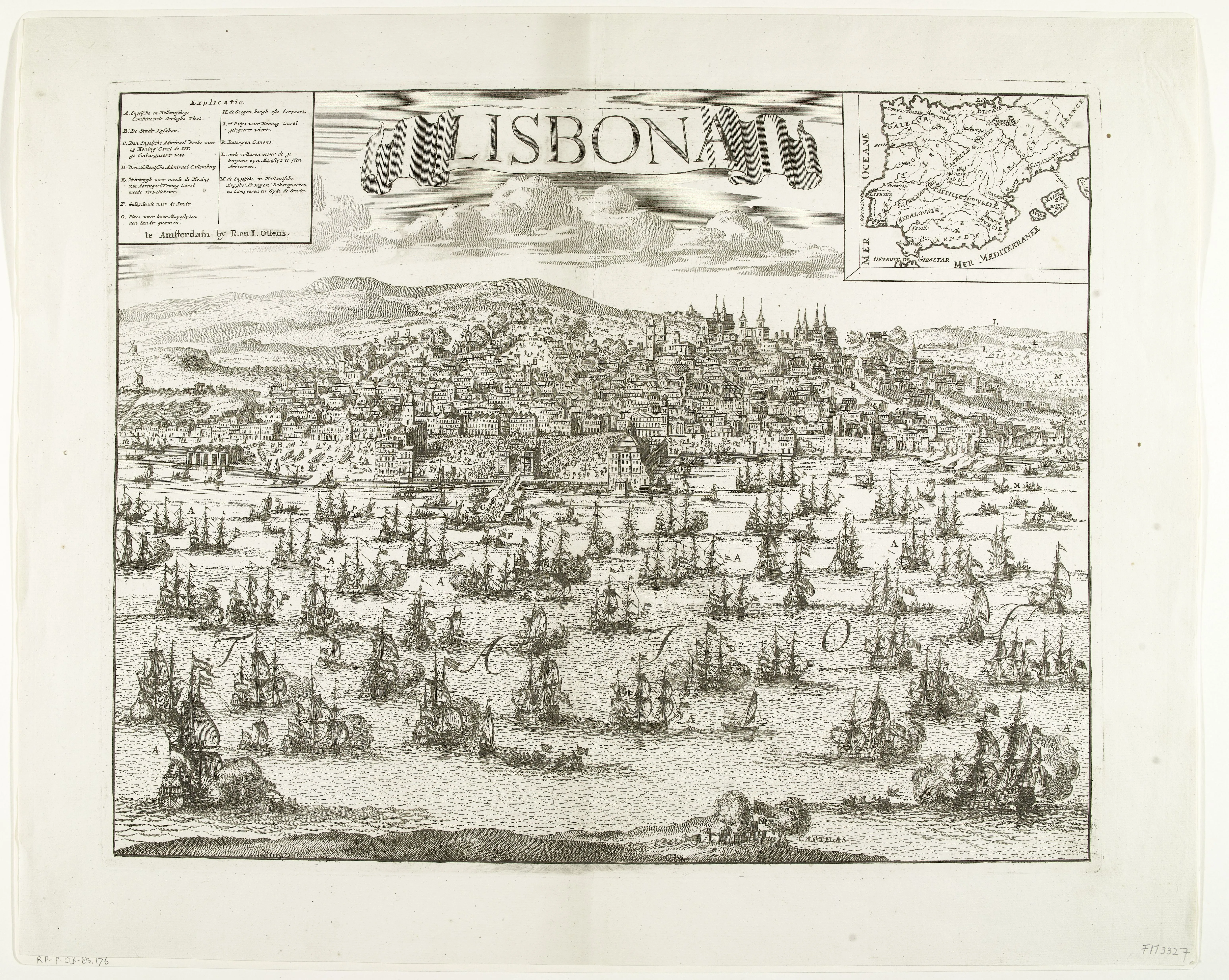
Long before Torre de Belem appeared on the riverbank, Lisbon was already a city defined by water. The Tagus estuary functioned as a broad maritime threshold where ships, goods, ideas, and people entered and left the kingdom. In the late medieval period, controlling this frontier became a strategic necessity. Defense of Lisbon did not happen at one wall or one gate alone; it happened across currents, anchor points, batteries, and lookout positions that treated the river as both opportunity and vulnerability. Belem, positioned downstream from the historic core, became increasingly important as oceanic navigation expanded and royal priorities shifted toward Atlantic projection.
By the end of the 15th century, Portugal was no longer merely looking inland. Expeditions along the African coast and beyond had transformed the monarchy's outlook. Lisbon was becoming a major node in global maritime networks, and the city needed defenses that reflected this new scale. In that context, the future site of Torre de Belem was not chosen by chance. It occupied a symbolic and tactical position at the edge of departure and return, where sailors would see the city recede behind them and later reappear on the horizon after long, uncertain voyages.
Why King Manuel I wanted a monument here
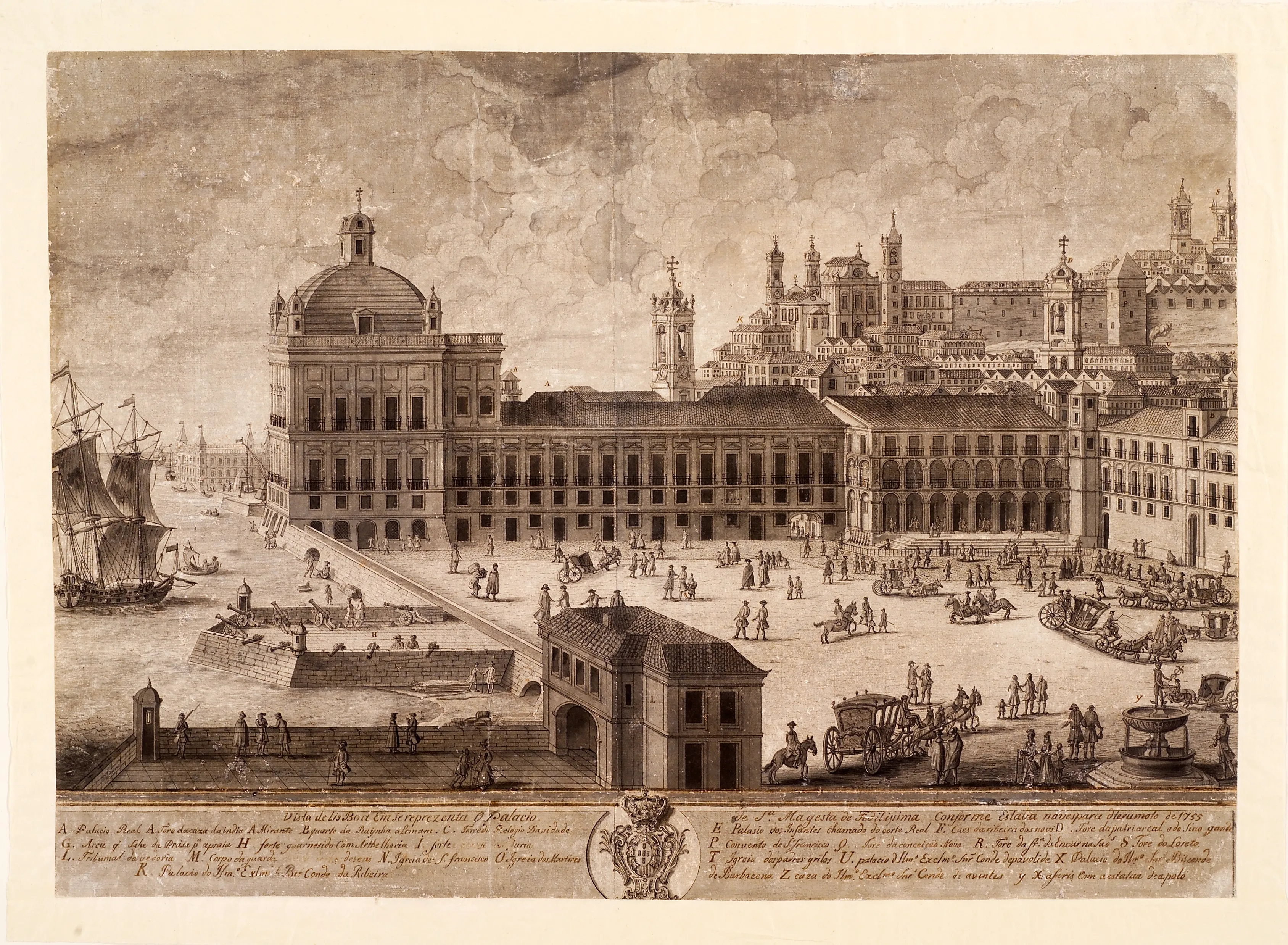
King Manuel I ruled during a period of extraordinary Portuguese maritime expansion, and architecture became one of his most effective tools of political messaging. He sought monuments that were not only useful but also expressive: buildings that could communicate authority, prosperity, and divine legitimacy. A fortified tower at Belem answered a practical military need, yet it also served as a highly visible emblem of a kingdom projecting confidence across oceans.
Placing such a structure on the Tagus sent a clear message to everyone who passed by water: this was a capital conscious of its role in a changing world. Royal symbols, maritime motifs, and ornate stonework were not decorative excess alone. They were part of a language of statecraft. Torre de Belem stood at the overlap of defense and ceremony, where cannons and carved emblems shared the same walls, and where logistics met ideology in a single riverfront landmark.
Construction, design, and Manueline artistry
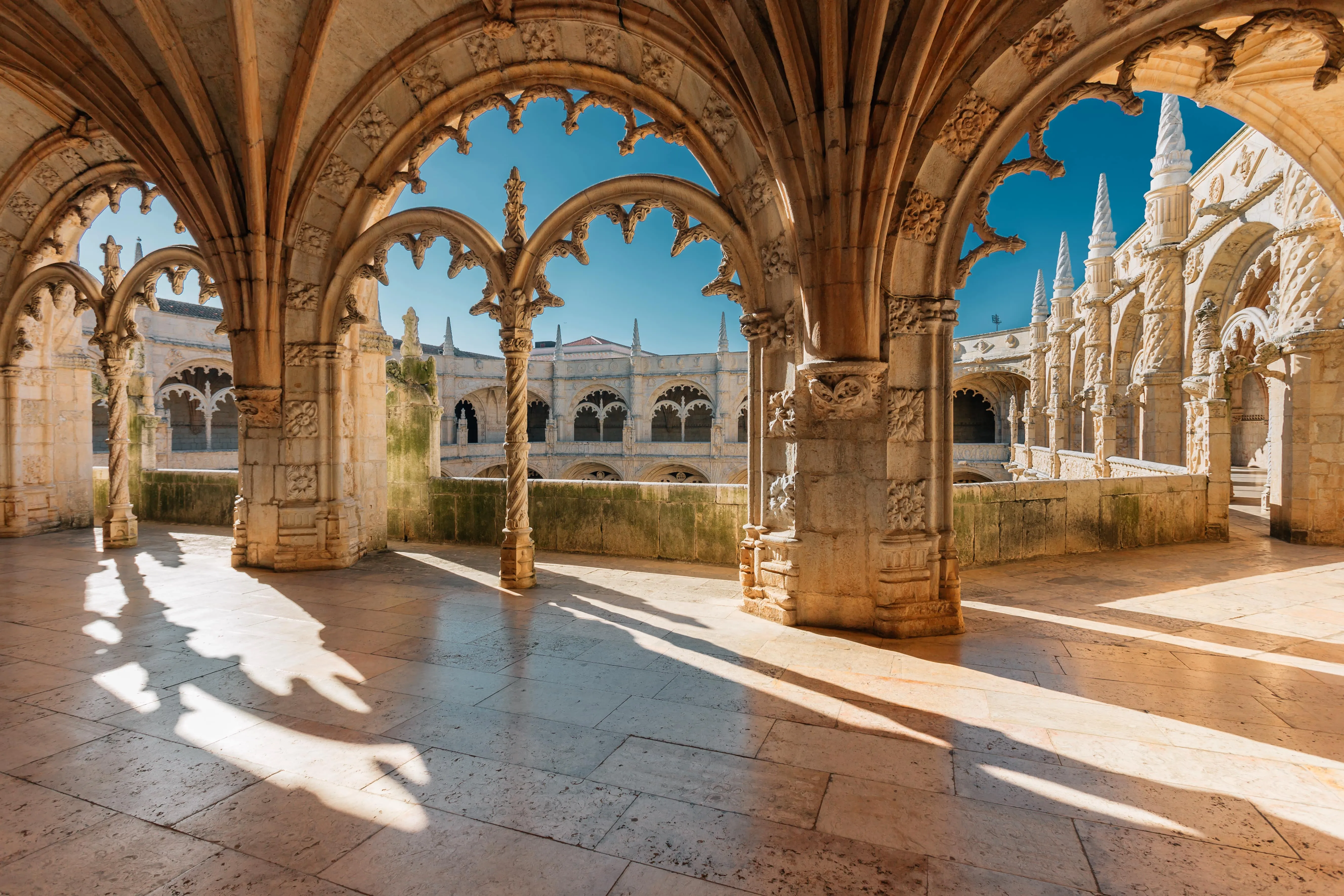
Construction began in the early 1500s, traditionally associated with architect Francisco de Arruda, and the result was a structure unlike a plain medieval bastion. The design integrated a low, broad defensive platform with an elevated tower, enabling surveillance and artillery positioning while preserving vertical elegance. What sets Torre de Belem apart is its Manueline style, a distinct Portuguese expression that fuses late Gothic frameworks with maritime references, heraldic devices, rope-like carvings, botanical elements, and occasional exotic influences reflecting global contact.
This stylistic vocabulary made the monument visually memorable and politically resonant. Stone appears to move with rhythm: twisted motifs, sculpted details, and decorative openings soften the fortress profile without weakening its symbolic force. The contrast is intentional. Torre de Belem is simultaneously severe and ornate, defensive and ceremonial. That dual identity helps explain why it remains so compelling today. Visitors do not encounter only military architecture; they encounter an architectural statement about a kingdom imagining itself at the center of oceanic routes.
From defense post to ceremonial gateway
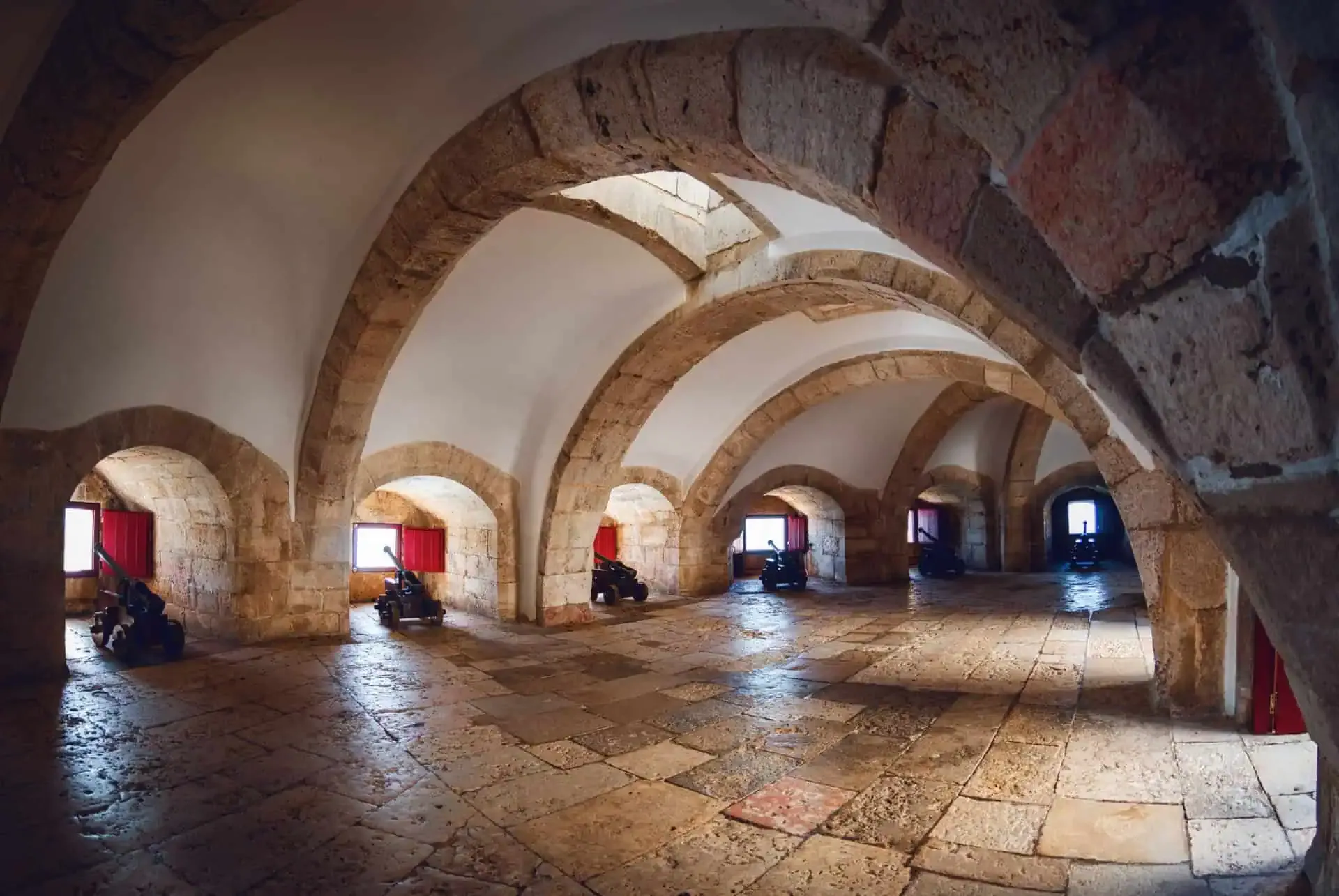
In functional terms, Torre de Belem formed part of a defensive system designed to protect Lisbon's approach. Together with other fortifications, it helped monitor river traffic and project armed presence. Cannons and firing positions were integral to its original role, and the tower's placement allowed oversight of strategic movement across the water.
Yet from early on, its significance expanded beyond pure defense. Because of its location near routes of departure and return, the tower became associated with ceremony, memory, and emotional transition. Sailors leaving for long voyages passed this point as a final visual anchor of home. Returning crews, diplomats, merchants, and goods entered through the same river corridor. Over time, Torre de Belem came to embody not only protection but also threshold: a stone marker between local life and global horizons.
The Age of Discoveries and ocean routes
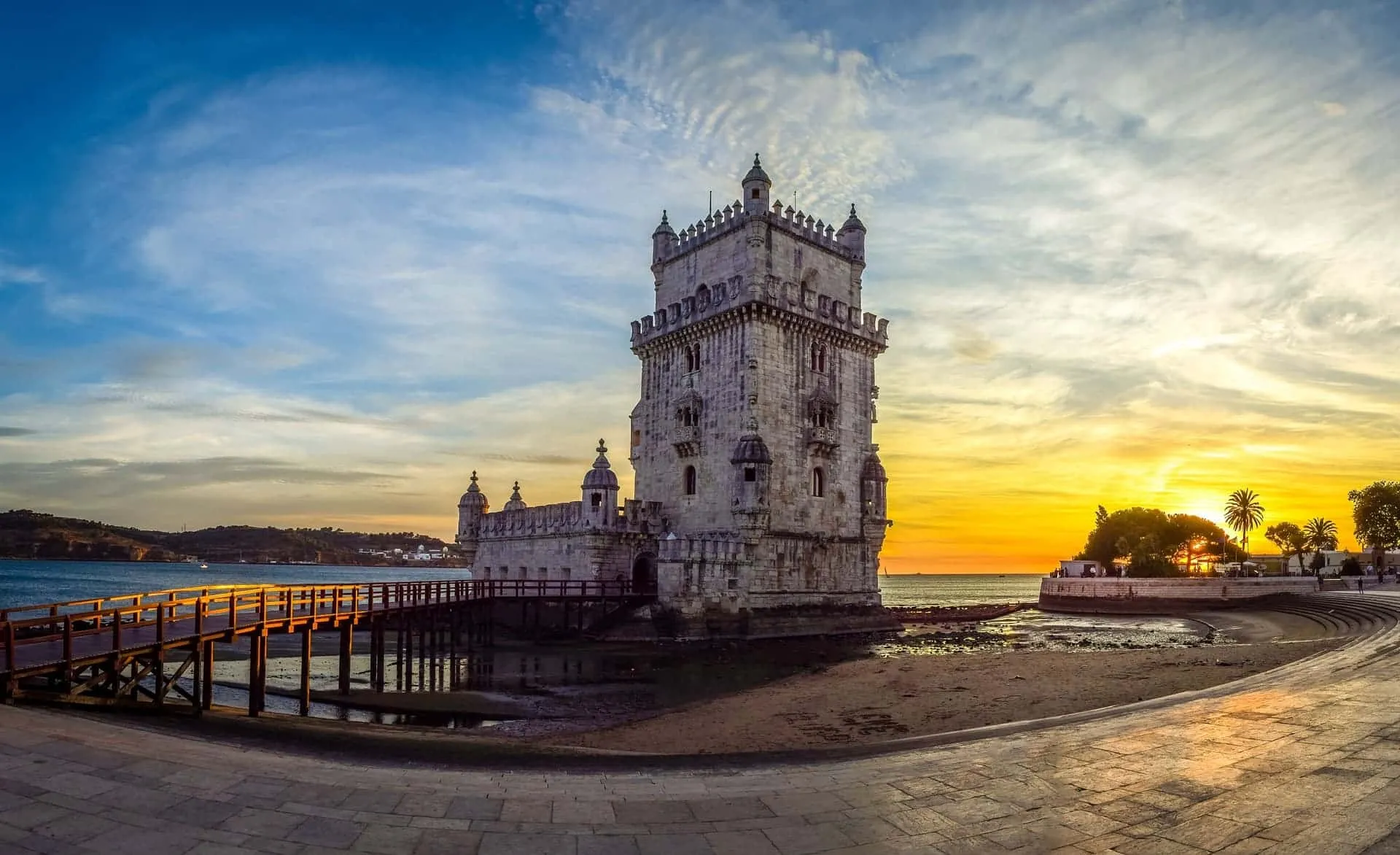
The period often called the Age of Discoveries transformed Lisbon into a city of departures, calculations, risks, and extraordinary wealth flows, but also conflict, extraction, and imperial ambition. Torre de Belem stood at the edge of these dynamics. While it did not direct every expedition, it occupied the symbolic geography of expansion. In the popular imagination, it became tied to the era when Portuguese navigators pushed routes across the Atlantic and Indian Oceans.
Modern interpretations increasingly place this history in a broader frame. The voyages connected continents, reshaped trade, circulated knowledge, and expanded cartographic understanding, but they also contributed to systems of colonial domination and human suffering. Visiting Torre de Belem today can therefore be both inspiring and reflective. The monument invites admiration for craftsmanship and navigation history while also encouraging critical awareness of the global consequences that followed from the maritime world it helped represent.
Life around Belem in the early modern period
Belem was never only a military setting. Around the tower and nearby religious complexes, daily life unfolded with workers, sailors, craftsmen, clergy, officials, traders, and families circulating through docks, roads, and markets. Supplies moved continuously: food, rope, timber, correspondence, and cargo linked to local and long-distance routes. The river was workplace, highway, and social stage all at once.
This mixed ecosystem explains why the area still feels layered. Even now, as visitors walk between major monuments, they pass traces of old logistical geographies that once sustained fleets and institutions. The monumental stone facade is only one part of the story. Behind it stood an active urban world where practical labor and imperial narratives intersected every day.
Occupation, adaptation, and changing military roles
Over centuries, Torre de Belem experienced shifting political and military contexts. As warfare technology evolved and strategic priorities changed, the tower's direct defensive role diminished relative to earlier expectations. Like many historic fortifications, it was adapted, repurposed, and reinterpreted across periods rather than frozen in one static function.
These transitions are part of what makes the monument historically rich. Buildings survive not by resisting time absolutely, but by entering new cycles of meaning. Torre de Belem moved from front-line utility toward emblematic significance, from tactical node to cultural reference point. Each phase left marks, whether physical, documentary, or symbolic, contributing to the layered identity visitors encounter today.
Romantic rediscovery and national symbolism
By the 18th and 19th centuries, European Romantic sensibilities encouraged renewed fascination with medieval and early modern monuments. Torre de Belem, with its picturesque silhouette and river setting, fit this mood perfectly. Artists, writers, and travelers helped recast it as a poetic icon of Portuguese memory, not merely a former military installation.
During nation-building narratives, the tower's image gained even greater symbolic value. It came to represent continuity, resilience, and maritime identity, appearing in visual culture, education, and tourism. This symbolic elevation did not erase its complex past, but it did ensure that preservation efforts would increasingly treat the monument as a shared national asset rather than an obsolete structure.
UNESCO recognition and conservation challenges
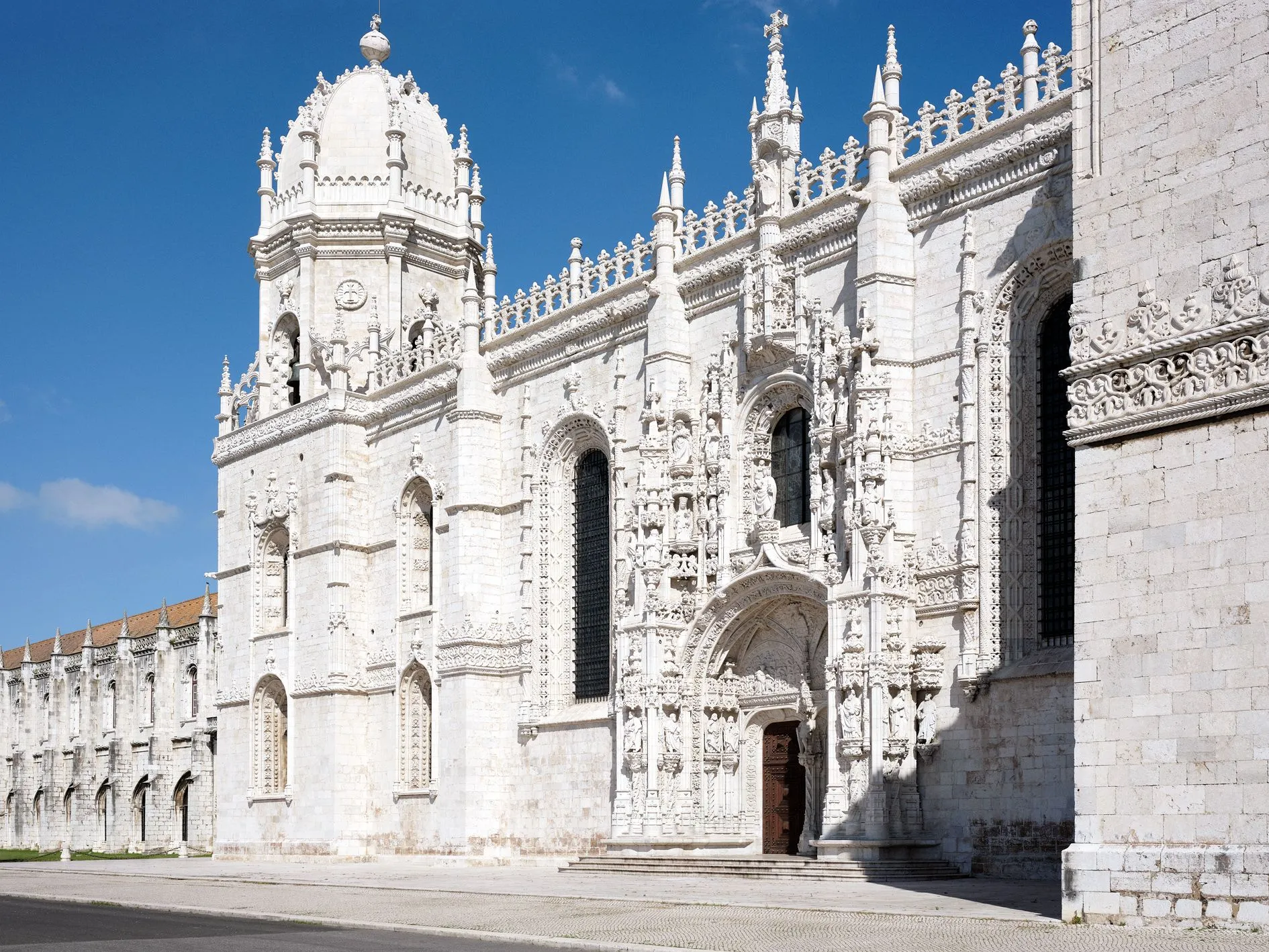
UNESCO recognition of Torre de Belem, together with nearby heritage in Belem, formalized its global cultural importance and reinforced long-term conservation responsibilities. International status brings visibility, but it also requires careful management: stone surfaces weather under salt air, visitor pressure must be monitored, and interventions need to respect authenticity while ensuring safety.
Conservation teams face a delicate balance. The monument must remain accessible and meaningful to the public, yet protected from overuse and environmental stress. This includes structural monitoring, material treatment, visitor flow controls, and periodic restoration campaigns. In this sense, preserving Torre de Belem is an ongoing process rather than a finished task, and every visitor participates in that future through responsible behavior on site.
Architecture details visitors should not miss
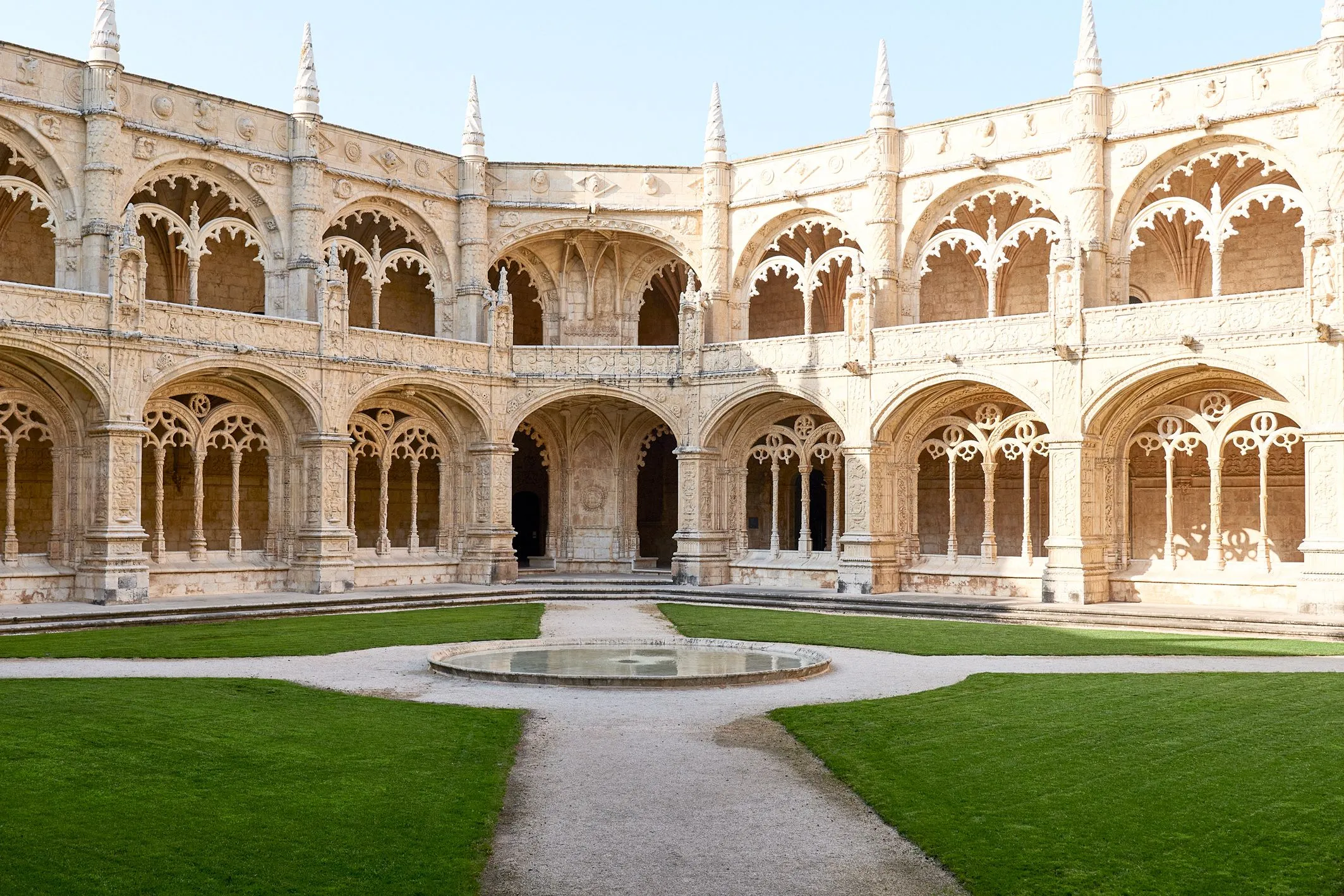
Look closely and you will see how deliberate the composition is. The bastion platform projects outward with practical military logic, while upper decorative elements create vertical rhythm and ceremonial presence. Battlements, watch points, and openings reveal defensive intent, yet the decorative programs soften pure severity with symbolic storytelling carved in stone.
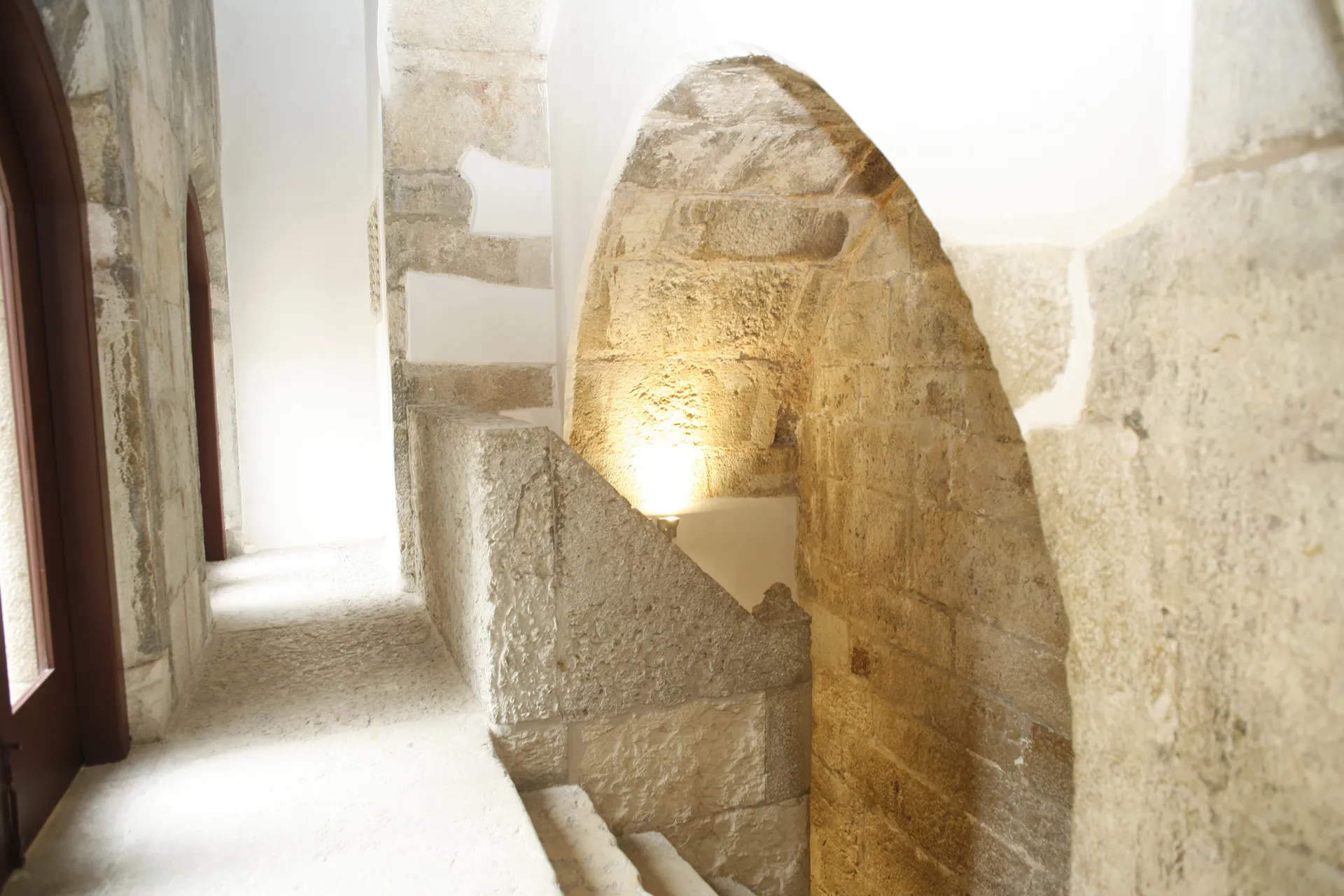
Pay attention to maritime motifs, armillary references, rope-like ornament, and sculptural details that connect the monument to Manueline aesthetics. Also notice the relationship between interior compression and exterior openness. Stairways and chambers feel tight and strategic, but terraces and windows suddenly release broad river views. That contrast between constraint and horizon is one of Torre de Belem's most memorable architectural experiences.
Legends, anecdotes, and lesser-known facts
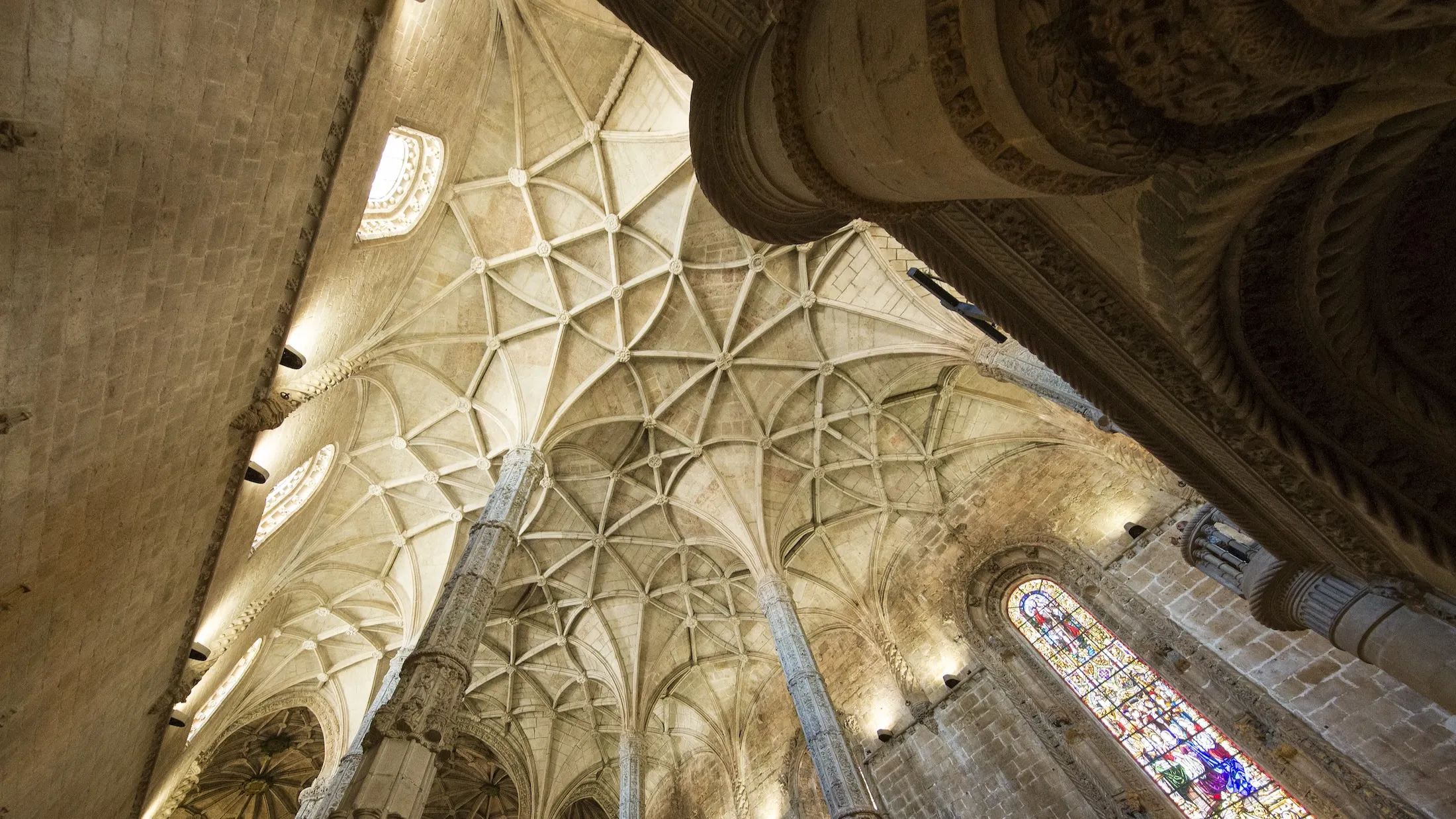
Like many famous monuments, Torre de Belem attracts legends that mix fact, embellishment, and local imagination. Guides and residents often share stories about watchmen, storms, royal departures, and ceremonial moments tied to the river. Even when details vary, these narratives reveal how deeply the tower is woven into Lisbon's emotional geography.
A practical but fascinating fact is that the river line and surrounding terrain have shifted over centuries, so the tower's relationship with the water has changed since its earliest days. What visitors perceive now is the result of both historical construction and later landscape evolution. This reminds us that monuments are never isolated objects. They are part of living environments that transform over time.
Torre de Belem in today's Lisbon
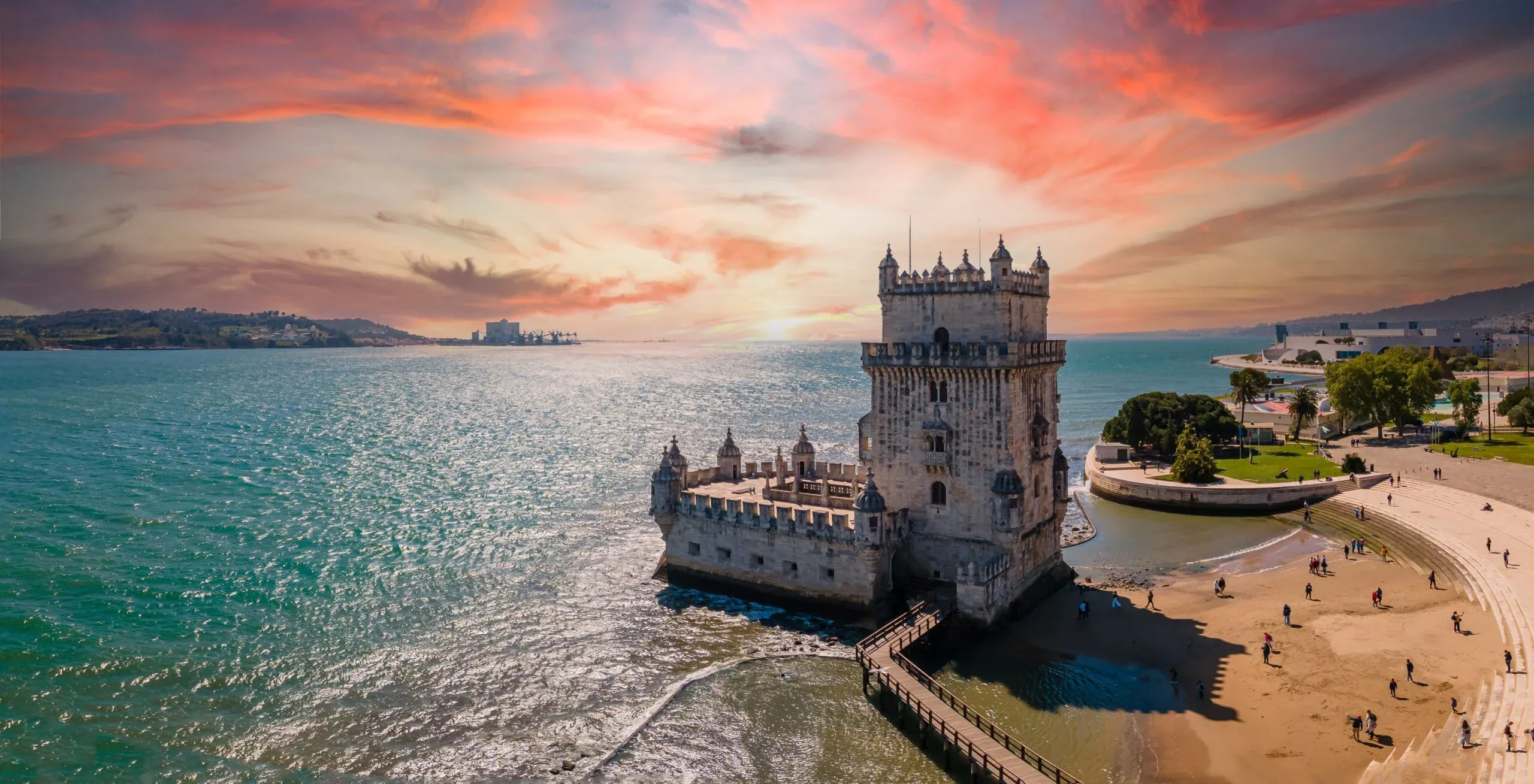
Today, Torre de Belem stands at the intersection of local life and global tourism. Residents use the surrounding waterfront for exercise, social walks, and family outings, while visitors from around the world arrive to experience a symbol they have seen in books, films, and travel guides. The monument functions as both neighborhood landmark and international destination.
Its modern role also includes education. School programs, museum circuits, and public history initiatives use the tower to discuss navigation, architecture, empire, and identity in nuanced ways. A visit can therefore be many things at once: aesthetic pleasure, historical inquiry, civic reflection, and simple enjoyment of Lisbon's river light and open air.
Why this small tower has global meaning
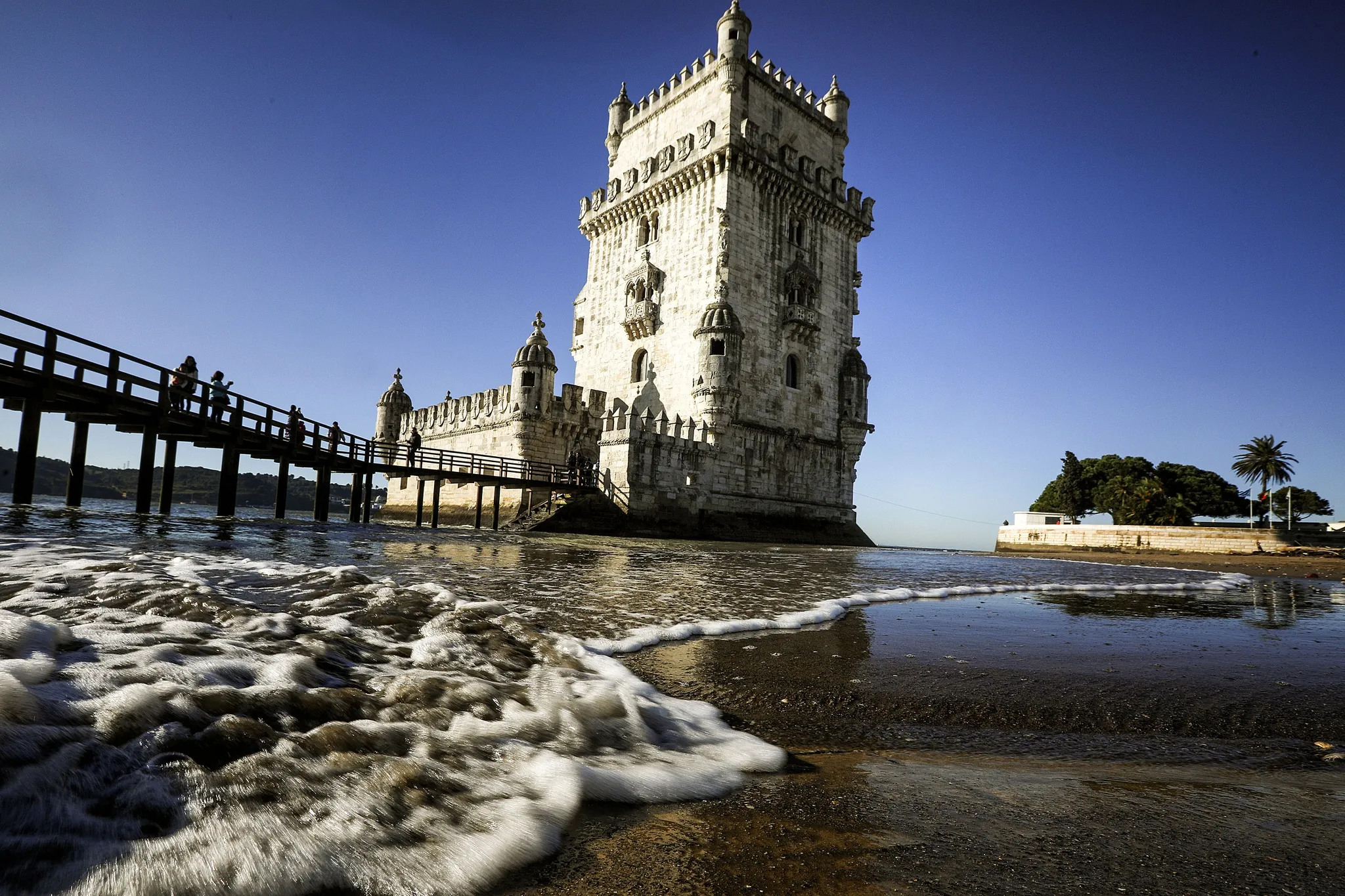
Torre de Belem is not physically vast, yet its symbolic reach is extraordinary. It concentrates themes that shaped early modern history: oceanic expansion, technological ambition, artistic innovation, political messaging, and cultural exchange. Few monuments communicate so much through such a compact footprint.
That is why the tower resonates far beyond Lisbon. It speaks to how places at the edge of water can become crossroads of the world, and how architecture can preserve memory while inviting reinterpretation. Standing there today, with ferries moving and the city alive around you, the past feels neither distant nor fixed. It feels present, layered, and still unfolding.
Table of Contents
Before the tower: Lisbon and the Tagus frontier
Long before Torre de Belem appeared on the riverbank, Lisbon was already a city defined by water. The Tagus estuary functioned as a broad maritime threshold where ships, goods, ideas, and people entered and left the kingdom. In the late medieval period, controlling this frontier became a strategic necessity. Defense of Lisbon did not happen at one wall or one gate alone; it happened across currents, anchor points, batteries, and lookout positions that treated the river as both opportunity and vulnerability. Belem, positioned downstream from the historic core, became increasingly important as oceanic navigation expanded and royal priorities shifted toward Atlantic projection.
By the end of the 15th century, Portugal was no longer merely looking inland. Expeditions along the African coast and beyond had transformed the monarchy's outlook. Lisbon was becoming a major node in global maritime networks, and the city needed defenses that reflected this new scale. In that context, the future site of Torre de Belem was not chosen by chance. It occupied a symbolic and tactical position at the edge of departure and return, where sailors would see the city recede behind them and later reappear on the horizon after long, uncertain voyages.
Why King Manuel I wanted a monument here
King Manuel I ruled during a period of extraordinary Portuguese maritime expansion, and architecture became one of his most effective tools of political messaging. He sought monuments that were not only useful but also expressive: buildings that could communicate authority, prosperity, and divine legitimacy. A fortified tower at Belem answered a practical military need, yet it also served as a highly visible emblem of a kingdom projecting confidence across oceans.
Placing such a structure on the Tagus sent a clear message to everyone who passed by water: this was a capital conscious of its role in a changing world. Royal symbols, maritime motifs, and ornate stonework were not decorative excess alone. They were part of a language of statecraft. Torre de Belem stood at the overlap of defense and ceremony, where cannons and carved emblems shared the same walls, and where logistics met ideology in a single riverfront landmark.
Construction, design, and Manueline artistry
Construction began in the early 1500s, traditionally associated with architect Francisco de Arruda, and the result was a structure unlike a plain medieval bastion. The design integrated a low, broad defensive platform with an elevated tower, enabling surveillance and artillery positioning while preserving vertical elegance. What sets Torre de Belem apart is its Manueline style, a distinct Portuguese expression that fuses late Gothic frameworks with maritime references, heraldic devices, rope-like carvings, botanical elements, and occasional exotic influences reflecting global contact.
This stylistic vocabulary made the monument visually memorable and politically resonant. Stone appears to move with rhythm: twisted motifs, sculpted details, and decorative openings soften the fortress profile without weakening its symbolic force. The contrast is intentional. Torre de Belem is simultaneously severe and ornate, defensive and ceremonial. That dual identity helps explain why it remains so compelling today. Visitors do not encounter only military architecture; they encounter an architectural statement about a kingdom imagining itself at the center of oceanic routes.
From defense post to ceremonial gateway
In functional terms, Torre de Belem formed part of a defensive system designed to protect Lisbon's approach. Together with other fortifications, it helped monitor river traffic and project armed presence. Cannons and firing positions were integral to its original role, and the tower's placement allowed oversight of strategic movement across the water.
Yet from early on, its significance expanded beyond pure defense. Because of its location near routes of departure and return, the tower became associated with ceremony, memory, and emotional transition. Sailors leaving for long voyages passed this point as a final visual anchor of home. Returning crews, diplomats, merchants, and goods entered through the same river corridor. Over time, Torre de Belem came to embody not only protection but also threshold: a stone marker between local life and global horizons.
The Age of Discoveries and ocean routes
The period often called the Age of Discoveries transformed Lisbon into a city of departures, calculations, risks, and extraordinary wealth flows, but also conflict, extraction, and imperial ambition. Torre de Belem stood at the edge of these dynamics. While it did not direct every expedition, it occupied the symbolic geography of expansion. In the popular imagination, it became tied to the era when Portuguese navigators pushed routes across the Atlantic and Indian Oceans.
Modern interpretations increasingly place this history in a broader frame. The voyages connected continents, reshaped trade, circulated knowledge, and expanded cartographic understanding, but they also contributed to systems of colonial domination and human suffering. Visiting Torre de Belem today can therefore be both inspiring and reflective. The monument invites admiration for craftsmanship and navigation history while also encouraging critical awareness of the global consequences that followed from the maritime world it helped represent.
Life around Belem in the early modern period
Belem was never only a military setting. Around the tower and nearby religious complexes, daily life unfolded with workers, sailors, craftsmen, clergy, officials, traders, and families circulating through docks, roads, and markets. Supplies moved continuously: food, rope, timber, correspondence, and cargo linked to local and long-distance routes. The river was workplace, highway, and social stage all at once.
This mixed ecosystem explains why the area still feels layered. Even now, as visitors walk between major monuments, they pass traces of old logistical geographies that once sustained fleets and institutions. The monumental stone facade is only one part of the story. Behind it stood an active urban world where practical labor and imperial narratives intersected every day.
Occupation, adaptation, and changing military roles
Over centuries, Torre de Belem experienced shifting political and military contexts. As warfare technology evolved and strategic priorities changed, the tower's direct defensive role diminished relative to earlier expectations. Like many historic fortifications, it was adapted, repurposed, and reinterpreted across periods rather than frozen in one static function.
These transitions are part of what makes the monument historically rich. Buildings survive not by resisting time absolutely, but by entering new cycles of meaning. Torre de Belem moved from front-line utility toward emblematic significance, from tactical node to cultural reference point. Each phase left marks, whether physical, documentary, or symbolic, contributing to the layered identity visitors encounter today.
Romantic rediscovery and national symbolism
By the 18th and 19th centuries, European Romantic sensibilities encouraged renewed fascination with medieval and early modern monuments. Torre de Belem, with its picturesque silhouette and river setting, fit this mood perfectly. Artists, writers, and travelers helped recast it as a poetic icon of Portuguese memory, not merely a former military installation.
During nation-building narratives, the tower's image gained even greater symbolic value. It came to represent continuity, resilience, and maritime identity, appearing in visual culture, education, and tourism. This symbolic elevation did not erase its complex past, but it did ensure that preservation efforts would increasingly treat the monument as a shared national asset rather than an obsolete structure.
UNESCO recognition and conservation challenges
UNESCO recognition of Torre de Belem, together with nearby heritage in Belem, formalized its global cultural importance and reinforced long-term conservation responsibilities. International status brings visibility, but it also requires careful management: stone surfaces weather under salt air, visitor pressure must be monitored, and interventions need to respect authenticity while ensuring safety.
Conservation teams face a delicate balance. The monument must remain accessible and meaningful to the public, yet protected from overuse and environmental stress. This includes structural monitoring, material treatment, visitor flow controls, and periodic restoration campaigns. In this sense, preserving Torre de Belem is an ongoing process rather than a finished task, and every visitor participates in that future through responsible behavior on site.
Architecture details visitors should not miss
Look closely and you will see how deliberate the composition is. The bastion platform projects outward with practical military logic, while upper decorative elements create vertical rhythm and ceremonial presence. Battlements, watch points, and openings reveal defensive intent, yet the decorative programs soften pure severity with symbolic storytelling carved in stone.
Pay attention to maritime motifs, armillary references, rope-like ornament, and sculptural details that connect the monument to Manueline aesthetics. Also notice the relationship between interior compression and exterior openness. Stairways and chambers feel tight and strategic, but terraces and windows suddenly release broad river views. That contrast between constraint and horizon is one of Torre de Belem's most memorable architectural experiences.
Legends, anecdotes, and lesser-known facts
Like many famous monuments, Torre de Belem attracts legends that mix fact, embellishment, and local imagination. Guides and residents often share stories about watchmen, storms, royal departures, and ceremonial moments tied to the river. Even when details vary, these narratives reveal how deeply the tower is woven into Lisbon's emotional geography.
A practical but fascinating fact is that the river line and surrounding terrain have shifted over centuries, so the tower's relationship with the water has changed since its earliest days. What visitors perceive now is the result of both historical construction and later landscape evolution. This reminds us that monuments are never isolated objects. They are part of living environments that transform over time.
Torre de Belem in today's Lisbon
Today, Torre de Belem stands at the intersection of local life and global tourism. Residents use the surrounding waterfront for exercise, social walks, and family outings, while visitors from around the world arrive to experience a symbol they have seen in books, films, and travel guides. The monument functions as both neighborhood landmark and international destination.
Its modern role also includes education. School programs, museum circuits, and public history initiatives use the tower to discuss navigation, architecture, empire, and identity in nuanced ways. A visit can therefore be many things at once: aesthetic pleasure, historical inquiry, civic reflection, and simple enjoyment of Lisbon's river light and open air.
Why this small tower has global meaning
Torre de Belem is not physically vast, yet its symbolic reach is extraordinary. It concentrates themes that shaped early modern history: oceanic expansion, technological ambition, artistic innovation, political messaging, and cultural exchange. Few monuments communicate so much through such a compact footprint.
That is why the tower resonates far beyond Lisbon. It speaks to how places at the edge of water can become crossroads of the world, and how architecture can preserve memory while inviting reinterpretation. Standing there today, with ferries moving and the city alive around you, the past feels neither distant nor fixed. It feels present, layered, and still unfolding.